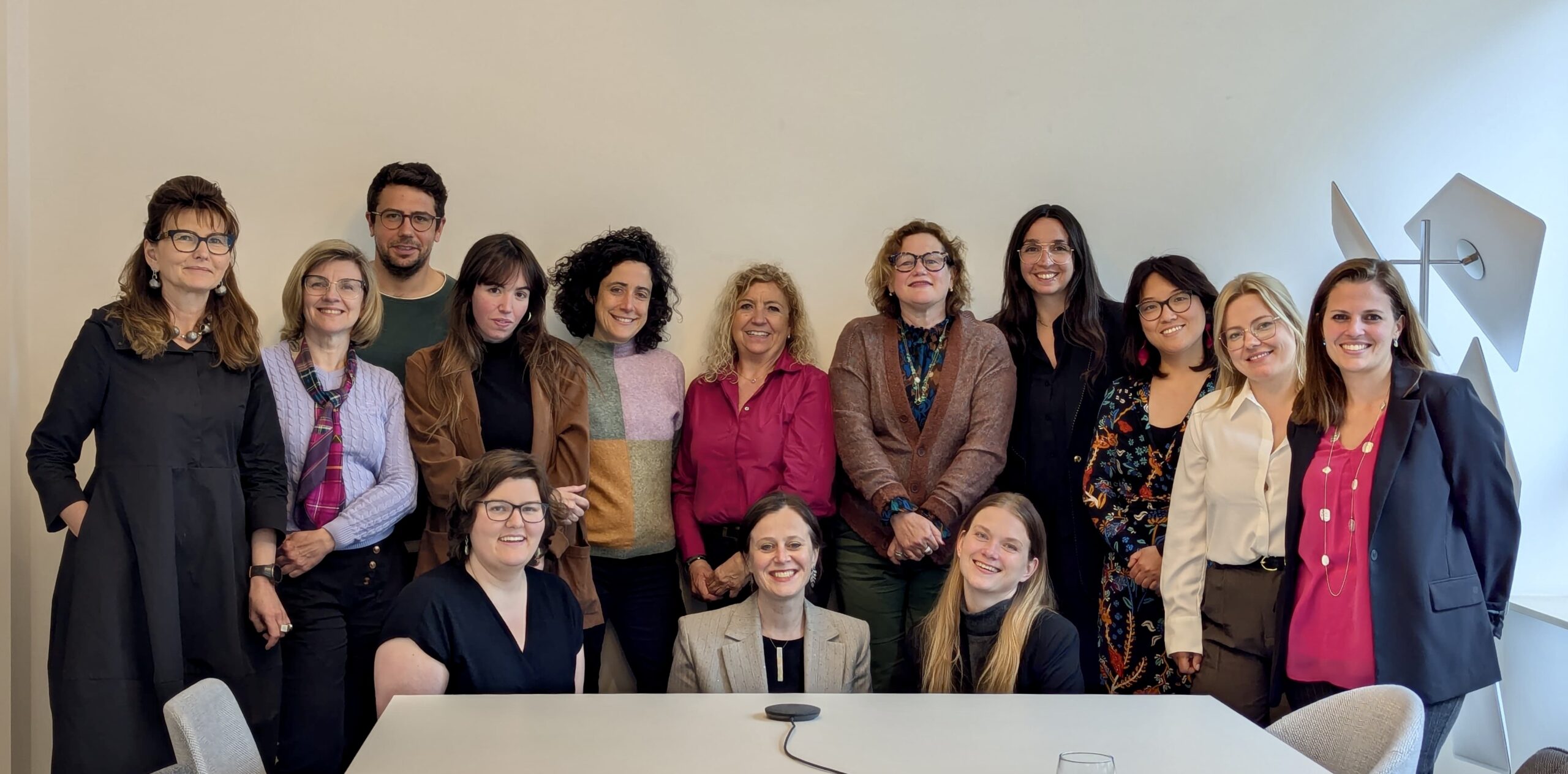
On 7–8 May 2026, the MEDViEW project participated in the CO-VALUE dedicated training for sister projects in Brussels, focused on Knowledge Valorisation (KV) and citizen engagement. The event also included a round table discussion with EU representatives, creating an opportunity to exchange experiences and reflect on the role of citizens in research and innovation processes.
The training combined theoretical insights with practical examples, allowing participants to explore how citizen engagement approaches can be adapted and applied within different project contexts. Discussions highlighted the increasing importance of involving citizens more actively in innovation ecosystems and ensuring that research outcomes are better connected to societal values and needs.
One of the key topics addressed during the sessions was the challenge of communication. Participants identified that Knowledge Valorisation terminology is often difficult for citizens to understand, creating barriers to engagement. It was also emphasised that citizens are more likely to participate when there are clear incentives, recognition mechanisms, or visible impacts resulting from their contributions.
During the training, several approaches to citizen engagement were presented and discussed. Consultation was described as a one-way communication approach, typically involving surveys and questionnaires, although participants noted that such activities often lack follow-up after citizens provide input. Co-design was introduced as a participatory and two-way approach focused on identifying problems through discussions, workshops, and round tables. Co-creation, meanwhile, was presented as a more collaborative process centred on developing concrete solutions together with citizens.
The sessions also highlighted the important role that civil society organisations can play as intermediaries between projects and citizens, helping to facilitate communication, build trust, and support engagement activities.
Participants reflected on several practical challenges related to sustainable citizen engagement, including how to fairly compensate citizens for their time and effort, how to recognise and value their contributions, and how to ensure safety and security within engagement activities. Different rewarding mechanisms were discussed, including access to new knowledge, opportunities to contribute to better products and services, financial or non-financial incentives, recognition systems, certificates, free access to certain services, and co-ownership approaches. The training further explored the broader added value of citizen engagement. Discussions emphasised its role in overcoming the traditional “deficit model” of communication, democratising research and innovation, integrating sciences and humanities, and strengthening the responsibility of researchers and innovators. Citizen engagement was also recognised as an important way to open innovation processes and better connect research activities to societal values and real community needs.
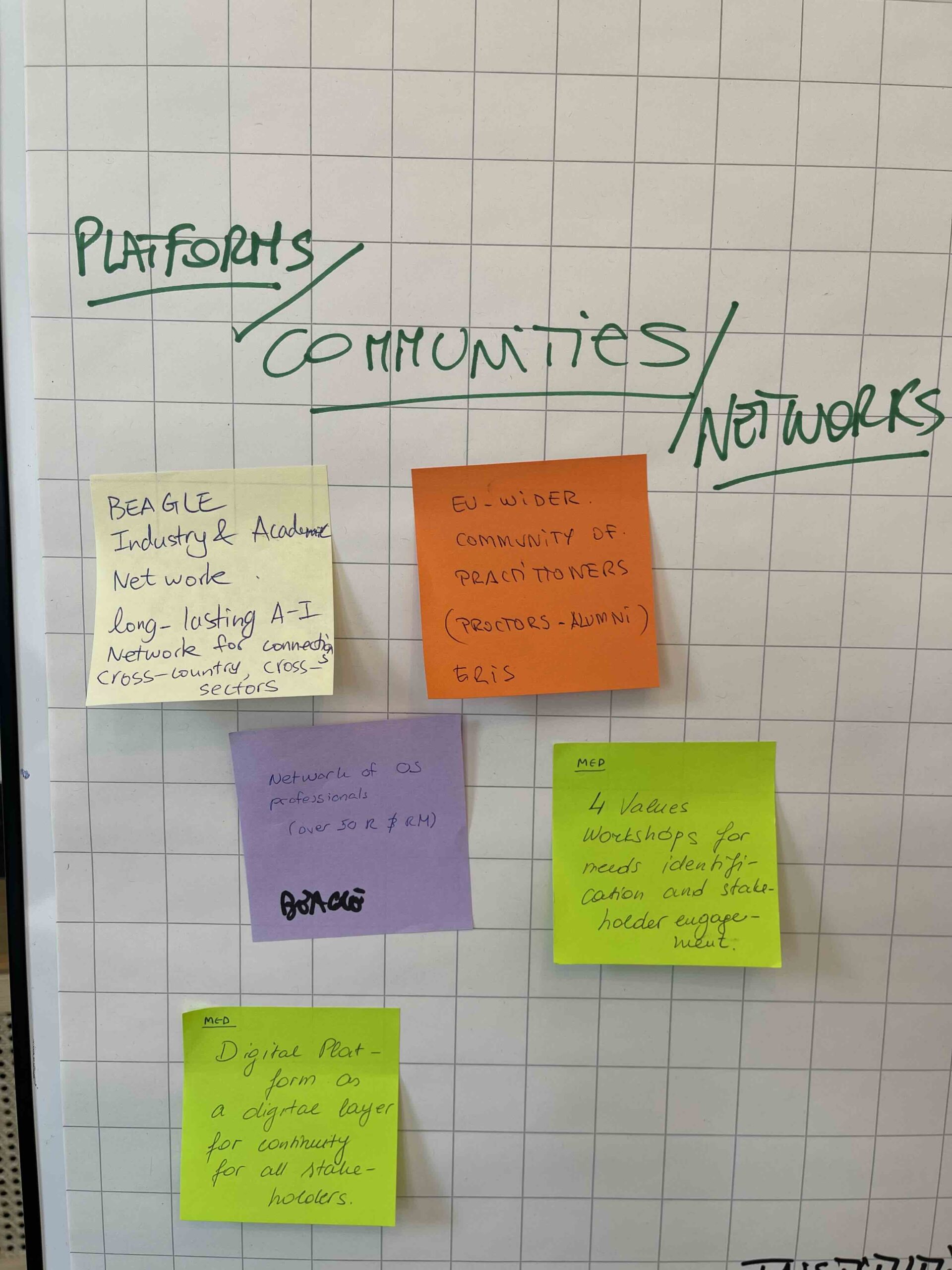
Another important topic focused on how organisations can create and sustain environments that enable meaningful citizen engagement. Participants discussed the importance of adopting engagement strategies for value creation at organisational level, building capacities and synergies with other initiatives, managing knowledge and intellectual assets strategically, and ensuring social inclusion, diversity, and gender equality. The need to recognise the time and effort invested by all participants, increase awareness about the benefits of Knowledge Valorisation, promote scalability and replication of successful actions, and implement appropriate frameworks for evaluating engagement activities was also highlighted.
The discussions additionally introduced different levels of citizen engagement, ranging from consultation and involvement to collaboration and empowerment.
MEDViEW highly values the opportunity to participate in these important discussions and to further strengthen its understanding of citizen-centred approaches within research and innovation activities. As the project focuses on improving health and well-being through citizen-centred knowledge valorisation and co-creation, the insights gained during the training will contribute to ongoing reflections on how to foster meaningful stakeholder engagement across the project’s activities.
Watch a short video highlight from the event here: